
VIETNAM
VISA
RUNS.
A visa run is a same-day land trip out of Vietnam and back, with fresh entry permission. Private cars to the border, a driver who knows the counters, and a route built around your departure city.
Pick your city, check your documents, confirm the ride.
WHERE ARE
YOU STARTING?
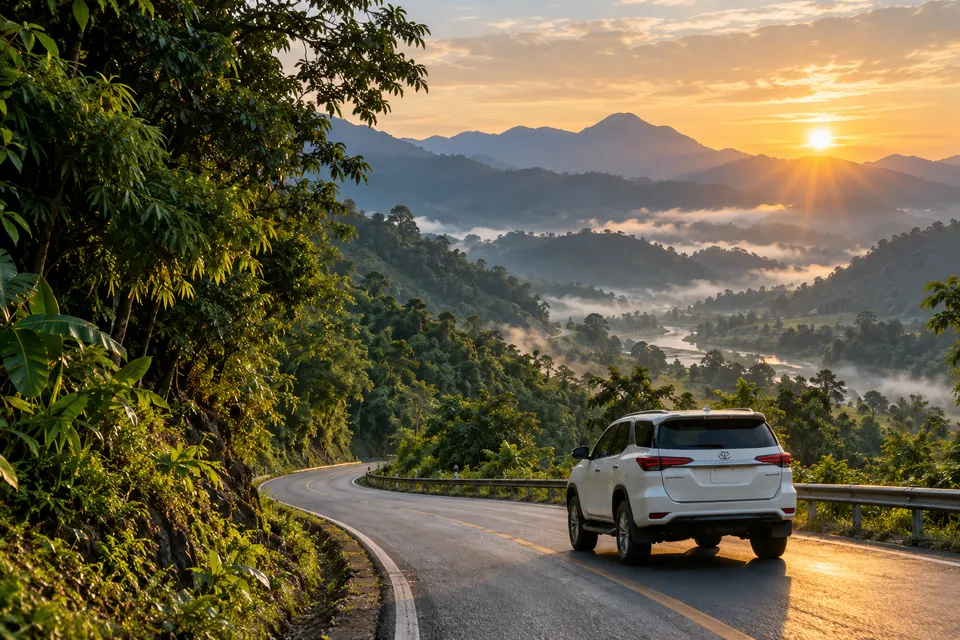
Your departure city decides almost everything about the day: which border you reach, how long the drive takes, and whether the trip fits inside one day or needs an overnight. Ho Chi Minh City, Da Lat, Mui Ne and Nha Trang run to Moc Bai in Cambodia. Da Nang, Hoi An and Hue cross at Lao Bao into Laos. Hanoi and Hai Phong use Huu Nghi on the Chinese border. Quy Nhon takes the quieter Le Thanh crossing, and Phu Quoc begins with a ferry to Ha Tien.
Check the route guide for your city, then confirm your passport eligibility with the desk before booking.
CHOOSE
YOUR RIDE.
Vehicles are matched to the route and the group, not the other way around. A single traveller rarely needs the largest car, and a family with luggage rarely finds a shared van comfortable. Tell the desk your group size, how much luggage you are carrying and whether you need to be back by a particular time. The desk confirms the actual vehicle and the actual price before you commit.
A shared van keeps the cost down and fixes your departure time. A private car moves that time, which matters most when the day is tight.

TOYOTA
FORTUNER
A private SUV preference for your border journey. Confirm passenger and luggage space with the desk.
- SERVICE
- Private trip request
- SEATS & LUGGAGE
- Confirm for your group
- PRICE
- Itemized quote
KNOW
YOUR CROSSING.
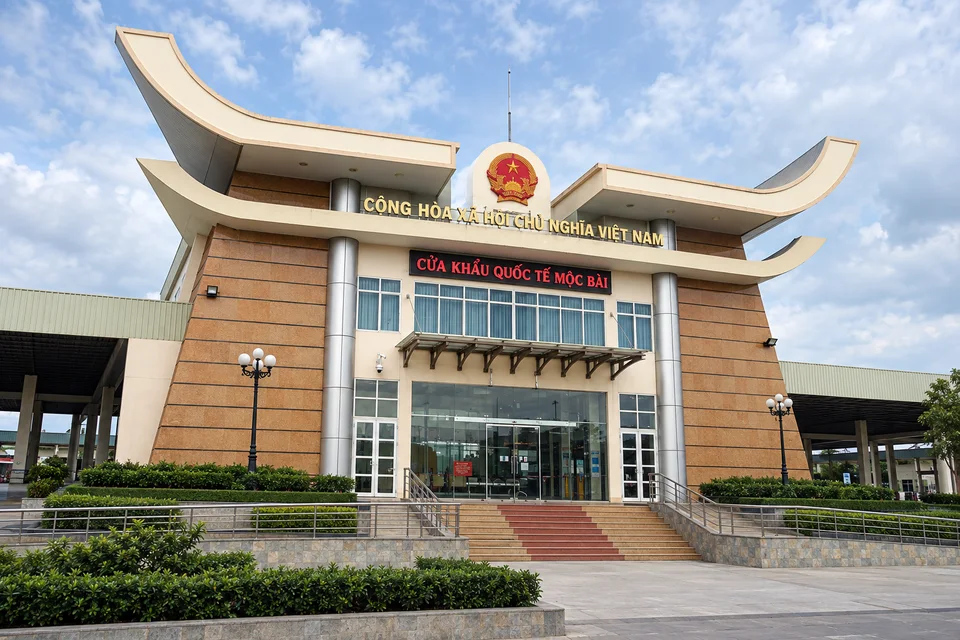
Every crossing has its own opening hours, its own forms and its own expectations about your paperwork. Moc Bai handles the largest volume of runs from the south and leads to Bavet on the Cambodian side. Lao Bao serves central Vietnam and connects to Dansavanh in Laos. Huu Nghi is a Chinese crossing and asks a different document question entirely.
Check the country, the documents and the return plan before you set out. Your e-visa has an entry port listed on it, and that port has to match the gate you actually use.
EXPLORE ALL 11 CHECKPOINTS ↗

WHAT A RUN
ACTUALLY IS.
Short answers to the questions that decide whether the day goes well. Detailed guides for each are linked at the end of this section.
Leaving and coming back
A visa run exists because a visitor's permission to stay in Vietnam eventually runs out. Rather than extend it in place, you leave the country and return with fresh permission. For most nationalities that means entering Cambodia, Laos or China for a few hours and coming back through the same land gate the same day.
This is why a run has two halves that both matter. The exit has to be recorded properly, and the re-entry has to be granted. A run that gets you out but not back in is not a run, and it is the single most common way a day goes wrong.
What a run is not
A visa run is not a visa extension. An extension changes the permission you already hold, in place, at an immigration office. A run replaces it by leaving and returning. Which one you need depends on your current visa type, how long you have left, and whether your entry permission is one that can be extended at all.
It is also not a way around an overstay. If your permission has already expired, the departure becomes an overstay case with a fine attached, and the fine is assessed before you are allowed to leave. Settle that first, or ask the desk before booking anything.
Choosing the right border
The border is decided by where you are, not by preference. Travellers in the south use Moc Bai, which sits on the main road from Ho Chi Minh City towards Phnom Penh. Central Vietnam uses Lao Bao on the Laos border, reached through the QL9 corridor. The north uses Huu Nghi into China, which is a different country with a different visa question.
The crossings differ in size and in how busy they get. Moc Bai is the busiest of the group and the most used for visa runs. The smaller gates can be calmer, though a shorter queue does not guarantee a shorter day once driving time is included.
What actually decides the day
Three things, in order. First, documents: passport validity, blank pages, and an e-visa whose listed entry port matches the gate in front of you. Second, timing: when the gate opens and closes, and how much of the day the drive consumes in each direction. Third, the return: the entry stamp on the way back in, checked before you leave the counter rather than after.
Everything else is logistics. A run that gets those three right usually finishes without drama, whatever the traffic did.
The complete guide to doing a run · What each city costs · Passport rules that get people refused
BEFORE
YOU GO.
SEND YOUR
TRIP DETAILS.
Choose a departure city, date and vehicle. The desk will confirm the route, availability and itemized price on WhatsApp.
+84 369 308 237 ↗Have a question? Talk to us on WhatsApp.